Polyurethane: High-Performance Abrasion-Resistant Elastomer
Polyurethane (PU), including both thermoset polyurethane and thermoplastic polyurethane (TPU), is a versatile elastomer family engineered for exceptional abrasion resistance, load-bearing capacity, and mechanical strength. Widely specified across industrial, automotive, and commercial applications, polyurethane delivers superior wear resistance and toughness in demanding environments where standard rubber elastomers fail prematurely.
Key Properties of Polyurethane
-
Exceptional Abrasion Resistance: Superior wear resistance—outperforms most rubber elastomers by 5–10 times
-
High Load-Bearing Capacity: Excellent resistance to compression and high loads without permanent deformation
-
Outstanding Tear Resistance: High resistance to cut and tear propagation
-
Wide Hardness Range: Available from 20 Shore A to 75 Shore D—soft gels to rigid plastics
-
Temperature Range: Performs from -40°F to 200°F (-40°C to 93°C), specialty grades to 250°F
-
Oil & Fuel Resistance: Good resistance to petroleum oils, greases, and aliphatic hydrocarbons
-
Resilience: Excellent rebound and energy return for dynamic applications
-
Chemical Resistance: Good resistance to many solvents, oils, and chemicals
Polyurethane Types
-
Thermoset Polyurethane (Cast PU): Cross-linked system offering maximum abrasion resistance and load-bearing capacity—ideal for wheels, rollers, and industrial parts
-
Thermoplastic Polyurethane (TPU): Melt-processable system offering recyclability and easier processing—ideal for extrusions, films, and injection-molded parts
-
Millable Polyurethane (MPU): Rubber-like processing on conventional rubber equipment—combines PU properties with rubber processing
Common Applications & Uses
-
Industrial: Wheels, rollers, conveyor belts, seals, gaskets, wear pads, bumpers
-
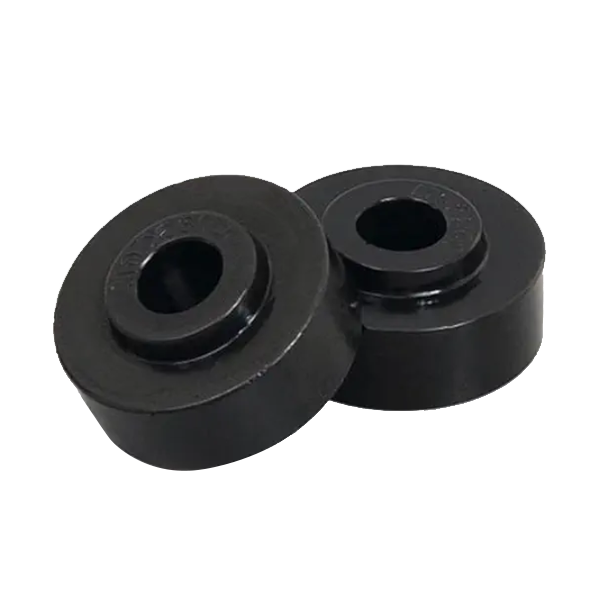
Automotive: Suspension bushings, engine mounts, CV joint boots, seals, timing belts
-
Material Handling: Forklift wheels, caster wheels, guide rollers, impact pads
-
Mining & Construction: Screen panels, wear liners, chute liners, impact protection
-
Sports & Recreation: Skateboard wheels, inline skate wheels, athletic surfaces, protective padding
-
Medical: Catheters, tubing, wound dressings, prosthetic components
-
Footwear: Shoe soles, heels, insoles requiring durability and comfort
-
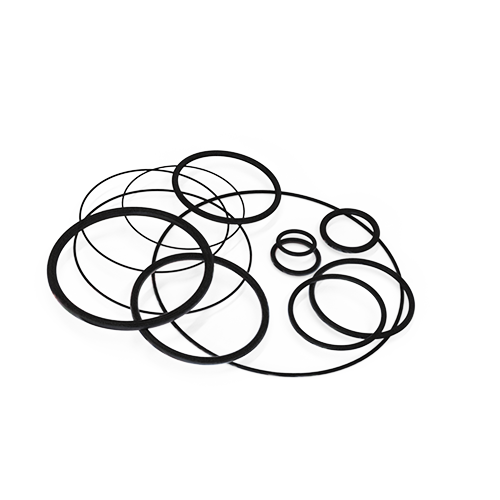
Sealing: Hydraulic seals, pneumatic seals, O-rings, custom gaskets
Advantages of Polyurethane
- Industry-leading abrasion resistance—5–10 times better than natural rubber or neoprene
- Exceptional load-bearing capacity and compression resistance
- Superior tear and cut resistance for high-stress applications
- Wide hardness range (20 Shore A to 75 Shore D) for application-specific optimization
- Excellent resilience and rebound for dynamic applications
- Good oil, fuel, and chemical resistance
- High tensile strength and elongation
- Can be formulated for transparency and color options
- TPU grades are recyclable and melt-processable
- Good low-temperature flexibility
Limitations & Disadvantages
-
Hydrolysis Sensitivity: Polyester-based PU degrades in hot water and steam—polyether grades required
-
Limited High-Temperature Performance: Lower maximum temperature than silicone or fluoroelastomers
-
Aromatic Hydrocarbon Sensitivity: Poor resistance to benzene, toluene, and aromatic solvents
-
UV Degradation: Yellowing and property loss in outdoor exposure without UV stabilizers
-
Higher Cost: More expensive than SBR, natural rubber, and EPDM
-
Processing Complexity: Thermoset PU requires careful mixing, degassing, and curing control
-
Moisture Sensitivity: Raw materials and processing require moisture control
Polyurethane vs. Other Rubber Materials
Polyurethane vs. Natural Rubber: Polyurethane offers 5–10 times better abrasion resistance and higher load-bearing capacity, while natural rubber provides better resilience and lower cost. Use polyurethane for high-wear, high-load applications; natural rubber for dynamic, low-cost applications.
Polyurethane vs. Neoprene: Polyurethane significantly outperforms neoprene in abrasion resistance and load-bearing capacity, while neoprene offers better weather and flame resistance. Polyurethane is the choice for wear applications; neoprene for multi-exposure outdoor environments.
Polyurethane vs. NBR (Nitrile): Polyurethane provides superior abrasion resistance and mechanical strength, while NBR offers better oil resistance and lower cost. Use polyurethane for high-wear mechanical applications; NBR for oil sealing and fuel contact.
Polyurethane vs. EPDM: Polyurethane excels in abrasion resistance and load-bearing capacity, while EPDM provides superior weather, ozone, and steam resistance. Polyurethane is preferred for indoor wear applications; EPDM for outdoor sealing.
Polyurethane vs. Silicone: Silicone offers wider temperature range (-65°F to 450°F) and better biocompatibility, but polyurethane significantly outperforms it in abrasion resistance, tear strength, and load-bearing capacity. Polyurethane is the choice for mechanical wear; silicone for extreme temperatures.
Thermoset PU vs. TPU: Thermoset (cast) PU offers maximum abrasion resistance and load-bearing capacity for wheels and rollers, while TPU provides easier processing, recyclability, and better low-temperature flexibility for extrusions and films.
Polyurethane Chemistry Types
-
Polyester-based PU: Higher tensile strength and abrasion resistance—sensitive to hydrolysis in hot water
-
Polyether-based PU: Better hydrolysis resistance and low-temperature flexibility—preferred for wet environments
-
Polycaprolactone-based PU: Balanced properties with excellent hydrolysis resistance—premium performance
Hardness Selection Guide
-
60–80 Shore A: Soft, flexible applications—seals, gaskets, cushioning
-
85–95 Shore A: General-purpose wheels, rollers, bumpers—most common range
-
60–75 Shore D: High-load wheels, wear pads, structural components—maximum load capacity
Technical Specifications
-
Hardness Range: 20 Shore A to 75 Shore D (customizable by formulation)
-
Specific Gravity: 1.10–1.25
-
Tensile Strength: 3,000–8,000 psi (varies by hardness and chemistry)
-
Elongation at Break: 300–700% (varies by formulation)
-
Abrasion Resistance: Exceptional (Taber abraser: 50–150 mg loss vs. 500+ mg for rubber)
-
Compression Set: Good to excellent (varies by chemistry and hardness)
-
Temperature Range: -40°F to 200°F continuous (-40°C to 93°C), specialty grades to 250°F
Why Choose Polyurethane from Rubber Mexico?
Our polyurethane compounds are formulated for maximum abrasion resistance, load-bearing capacity, and mechanical durability across industrial, automotive, and commercial applications. With in-house casting, molding, and machining capabilities, we deliver precision-engineered polyurethane wheels, rollers, seals, and custom components tailored to your hardness requirements and operating conditions.
Need a custom polyurethane solution? Contact us for material selection guidance, hardness optimization, chemistry selection (polyester vs. polyether), compound development, prototyping, and production support for your high-wear, high-load applications.