Natural Rubber (NR): High-Performance Biobased Elastomer
Natural Rubber (NR), derived from the latex of the Hevea brasiliensis tree, is a biobased elastomer offering exceptional tensile strength, resilience, and dynamic properties. As the original elastomer with over 150 years of industrial use, natural rubber remains the benchmark for mechanical performance in automotive, industrial, and commercial applications requiring superior elasticity, tear resistance, and fatigue life.
Key Properties of Natural Rubber
-
Exceptional Tensile Strength: Highest tensile strength among common elastomers (3,000–4,500 psi)—superior to most synthetics
-
Outstanding Resilience: Excellent rebound and energy return—ideal for dynamic applications
-
Superior Tear Resistance: High resistance to crack propagation and mechanical damage
-
Low Heat Build-Up: Minimal hysteresis during flexing—reduces heat generation in dynamic applications
-
Excellent Low-Temperature Flexibility: Maintains flexibility to -60°F (-50°C)
-
Temperature Range: Performs from -60°F to 180°F (-50°C to 82°C)
-
Good Abrasion Resistance: Excellent wear resistance for high-friction applications
-
Adhesion Properties: Bonds well to metals and fabrics for composite structures
Common Applications & Uses
-
Tire Manufacturing: Tire sidewalls, inner liners, truck tires—leverages superior tear and fatigue resistance
-
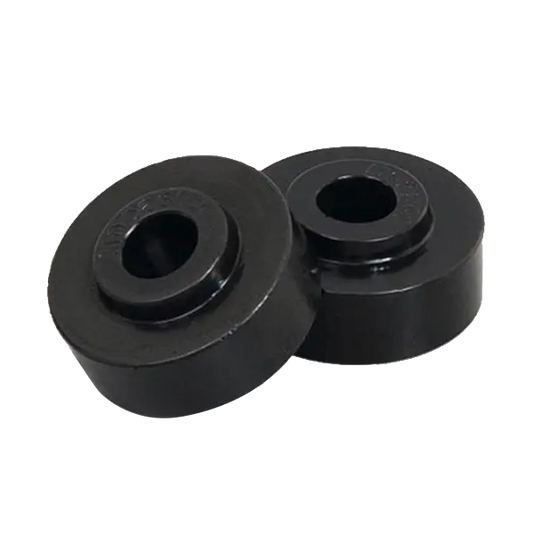
Automotive: Engine mounts, suspension bushings, vibration isolators, hoses, belts
-
Industrial: Conveyor belts, rubber rollers, printing blankets, seismic isolators
-
Medical: Surgical gloves, medical tubing, catheters, elastic bandages
-
Footwear: Shoe soles requiring high resilience and comfort
-
Adhesives & Sealants: Pressure-sensitive adhesives, construction sealants
-
Sports Equipment: Balls, grips, elastic components requiring high rebound
Advantages of Natural Rubber
- Highest tensile strength and tear resistance among common elastomers
- Superior resilience and rebound—ideal for dynamic and vibration-dampening applications
- Excellent low-temperature flexibility down to -60°F
- Low heat build-up during flexing extends service life in dynamic applications
- Outstanding fatigue resistance for long-term cyclic loading
- Good abrasion resistance for high-wear applications
- Renewable, biobased resource with lower carbon footprint than petroleum-based synthetics
- Excellent adhesion to metals and fabrics for bonded assemblies
- Cost-competitive with synthetic elastomers for many applications
Limitations & Disadvantages
-
Poor Weather Resistance: Limited UV, ozone, and outdoor aging resistance—degrades in sunlight
-
No Oil or Fuel Resistance: Swells and degrades in petroleum oils, fuels, and hydrocarbons
-
Limited Chemical Resistance: Poor resistance to acids, alkalis, and most solvents
-
Temperature Limitations: Lower maximum temperature (180°F) than specialty synthetics
-
Oxidation Sensitivity: Requires antioxidants and antiozonants for outdoor use
-
Supply Variability: Natural product subject to agricultural factors and price fluctuations
-
Allergen Concerns: Contains proteins that can cause latex allergies in sensitive individuals
Natural Rubber vs. Other Rubber Materials
Natural Rubber vs. SBR: Natural rubber offers superior tensile strength, resilience, and tear resistance, while SBR provides better abrasion resistance and heat aging. Natural rubber is preferred for tire sidewalls and high-flex applications; SBR for tire treads and high-wear surfaces.
Natural Rubber vs. NBR (Nitrile): NBR excels in oil and fuel resistance, while natural rubber provides superior mechanical properties and resilience. Use natural rubber for non-petroleum, high-strength applications; NBR for oil/fuel contact.
Natural Rubber vs. EPDM: EPDM offers superior weather, ozone, and UV resistance, while natural rubber provides better tensile strength and resilience. EPDM is the choice for outdoor sealing; natural rubber for indoor mechanical applications.
Natural Rubber vs. Neoprene: Neoprene provides better weather, oil, and chemical resistance, while natural rubber offers superior tensile strength and lower cost. Natural rubber is preferred for high-strength, indoor applications; neoprene for multi-exposure environments.
Natural Rubber vs. Silicone: Silicone offers wider temperature range (-65°F to 450°F) and better weather resistance, but natural rubber significantly outperforms it in tensile strength, tear resistance, and cost-effectiveness for mechanical applications.
Natural Rubber Grades & Types
-
RSS (Ribbed Smoked Sheet): Premium grade with excellent purity and consistency—grades 1–5 based on quality
-
TSR (Technically Specified Rubber): Standardized grades (TSR 10, TSR 20) with controlled properties—most common industrial grade
-
Latex Concentrate: Liquid form for dipping, coating, and foam applications
-
Crepe Rubber: Pale-colored grades for light-colored products and specialty applications
-
Skim Rubber: Lower-grade material from latex processing—used in lower-cost applications
Compounding & Additives
Natural rubber is typically compounded with antioxidants and antiozonants to improve weather resistance, carbon black or silica for reinforcement, sulfur for vulcanization, and accelerators to control cure rate. Proper compounding can significantly extend outdoor service life and optimize properties for specific applications.
Technical Specifications
-
Hardness Range: 30–95 Shore A (customizable by formulation)
-
Specific Gravity: 0.92–0.93
-
Tensile Strength: 3,000–4,500 psi (pure gum compounds)
-
Elongation at Break: 600–800% (varies by formulation)
-
Resilience: 80–90% (highest among common elastomers)
-
Compression Set: Good at room temperature, moderate at elevated temperatures
-
Temperature Range: -60°F to 180°F continuous (-50°C to 82°C)
Why Choose Natural Rubber from Rubber Mexico?
Our natural rubber compounds are formulated using premium TSR and RSS grades with optimized antioxidant and antiozonant packages for maximum mechanical performance and service life. With in-house molding, extrusion, and bonding capabilities, we deliver precision-engineered natural rubber components tailored to your high-strength, high-resilience application requirements.
Need a custom natural rubber solution? Contact us for material selection guidance, compound development, antioxidant optimization, prototyping, and production support for your demanding mechanical applications.