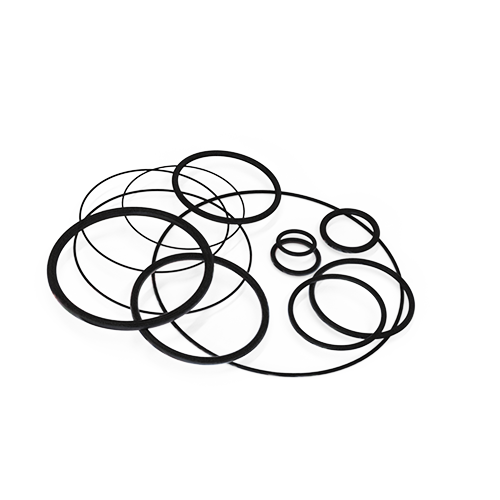
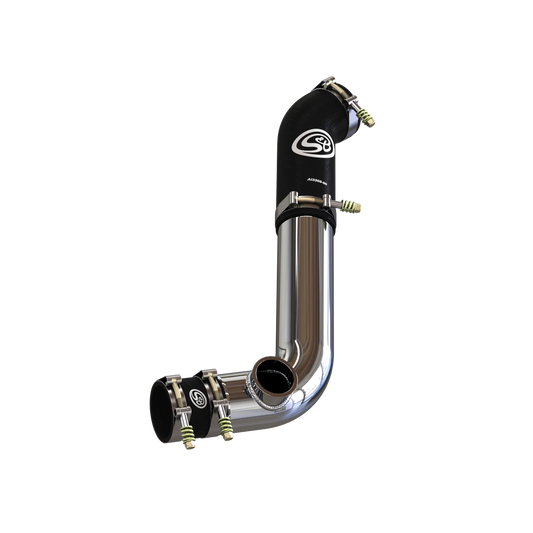
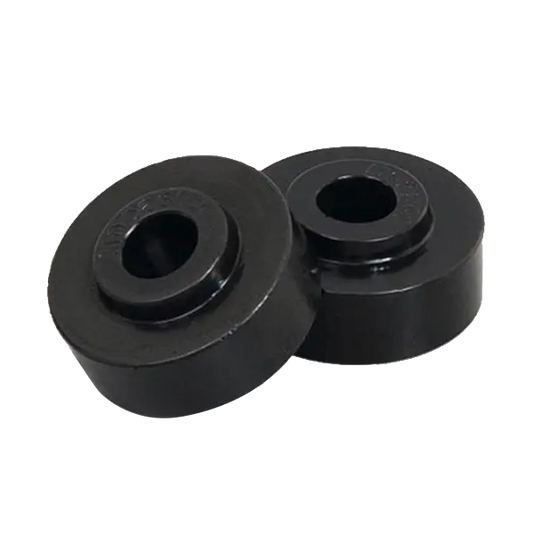
EPDM rubber is a durable synthetic elastomer designed for applications that require superior weather, UV, ozone, and water resistance. Its wide temperature range, excellent flexibility, and strong electrical insulation properties make EPDM ideal for seals, gaskets, hoses, and extruded profiles used in automotive, construction, HVAC, and industrial environments. At Rubber Mexico, we manufacture custom EPDM rubber components through precision extrusion and molding, delivering consistent quality and long-lasting performance for demanding applications.
Key Properties of EPDM Rubber
-

Color Stability
Resists fading and discoloration from sunlight exposure
-

Exceptional Weather Resistance
Outstanding resistance to UV, ozone, and oxidation—ideal for outdoor exposure
-

Wide Temperature Range
Performs reliably from -40°F to 300°F (-40°C to 150°C)
-

Chemical Compatibility
Excellent resistance to water, steam, alcohols, ketones, and dilute acids/alkalis
-

Electrical Insulation
Superior dielectric properties for electrical applications
-

Flexibility & Elasticity
Maintains flexibility at low temperatures with good compression set resistance


Common Applications of EPDM
Automotive Systems
Construction & Roofing
HVAC & Fluid Handling
Industrial Equipment
Why Choose EPDM from Rubber Mexico?
Need a custom EPDM solution?
Contact us for material selection guidance, prototyping, and production support.
Learn about our other materials
-
Silicone Rubber
Regular price $0.00Regular priceUnit price per -
Ethylene Propylene Diene Terpolymer (EPDM)
Regular price $0.00Regular priceUnit price per -
Styrene Butadiene Rubber (SBR)
Regular price $0.00Regular priceUnit price per -
Neoprene/Chloroprene Rubber (CR)
Regular price $0.00Regular priceUnit price per -
Nitrile Butadiene Rubber (NBR)
Regular price $0.00Regular priceUnit price per -
Fluoroelastomer (FKM/Viton)
Regular price $0.00Regular priceUnit price per -
Thermoplastic Elastomers
Regular price $0.00Regular priceUnit price per -
Fluorosilicone (FVMQ)
Regular price $0.00Regular priceUnit price per -
Devulcanized Rubber Compounds
Regular price $0.00Regular priceUnit price per -
Natural Rubber (NR)
Regular price $0.00Regular priceUnit price per -
Acrylic Rubber (ACM)
Regular price $0.00Regular priceUnit price per -
Ethylene Acrylic Rubber (AEM)
Regular price $0.00Regular priceUnit price per -
Flexible PVC (Plasticized Polyvinyl Chloride)
Regular price $0.00Regular priceUnit price per -
Polyurethane (PU/TPU)
Regular price $0.00Regular priceUnit price per