NBR (Nitrile) Rubber: Superior Oil & Fuel Resistance Elastomer
Nitrile Butadiene Rubber (NBR), commonly known as Nitrile or Buna-N, is a synthetic elastomer engineered for exceptional resistance to petroleum-based oils, fuels, and hydraulic fluids. Widely specified across automotive, aerospace, and industrial applications, NBR delivers reliable sealing performance in demanding fluid-contact environments where other elastomers fail.
Key Properties of NBR Rubber
-
Exceptional Oil & Fuel Resistance: Superior resistance to petroleum oils, gasoline, diesel, hydraulic fluids, and mineral oils
-
Wide Temperature Range: Performs from -40°F to 250°F (-40°C to 120°C), with specialty grades extending to 300°F
-
Abrasion Resistance: Excellent wear resistance for high-friction applications
-
Tensile Strength: High mechanical strength and tear resistance
-
Chemical Compatibility: Good resistance to aliphatic hydrocarbons, water, and silicone oils
-
Compression Set: Good resistance to permanent deformation under compression
-
Acrylonitrile Content: Available in low, medium, and high ACN grades for optimized oil resistance vs. low-temperature flexibility
Common Applications & Uses
-
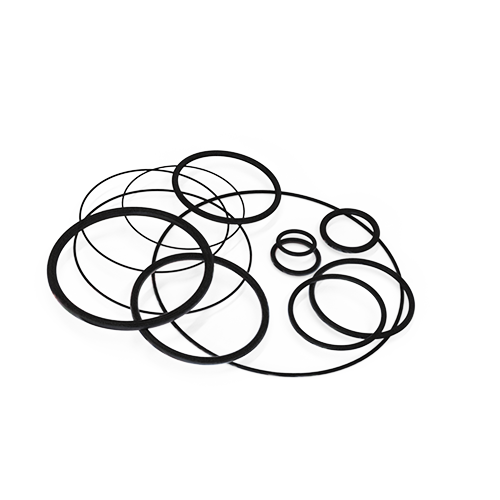
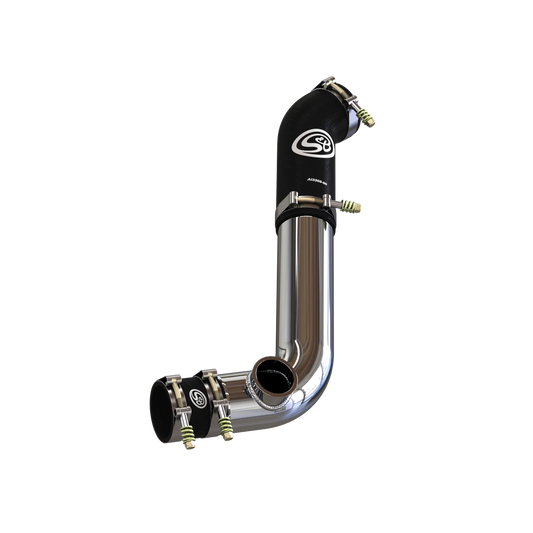
Automotive: Fuel hoses, oil seals, O-rings, gaskets, grommets, CV joint boots
-
Hydraulic Systems: Seals, O-rings, hoses, diaphragms for hydraulic cylinders and pumps
-
Aerospace: Fuel system seals, O-rings, gaskets for aircraft fuel and hydraulic systems
-
Industrial: Oil-resistant conveyor belts, rollers, printing blankets, adhesives
-
Oil & Gas: Downhole seals, wellhead equipment, pipeline gaskets
-
Marine: Fuel system components, engine seals, oil-resistant hoses
-
Manufacturing: Machine seals, hydraulic equipment, oil-handling components
Advantages of NBR
- Industry-leading oil and fuel resistance—the standard for petroleum-contact applications
- Excellent abrasion and wear resistance for high-friction environments
- High tensile strength and tear resistance for mechanical durability
- Good compression set resistance for long-term sealing performance
- Cost-effective compared to specialty fluoroelastomers (FKM/Viton)
- Wide range of hardness and ACN content for application-specific optimization
- Resistant to hydraulic fluids (petroleum-based and water-glycol types)
- Good low-temperature flexibility in low-ACN formulations
Limitations & Disadvantages
-
Poor Weather Resistance: Limited UV, ozone, and outdoor aging resistance—not suitable for prolonged outdoor exposure
-
Aromatic Hydrocarbon Sensitivity: Poor resistance to benzene, toluene, and aromatic fuels
-
Polar Solvent Incompatibility: Swells in ketones, esters, and chlorinated solvents
-
Temperature Limitations: Lower maximum temperature than fluoroelastomers or silicone
-
ACN Trade-off: Higher oil resistance (high ACN) reduces low-temperature flexibility
-
Flame Resistance: Not self-extinguishing—inferior to neoprene or specialty compounds
NBR vs. Other Rubber Materials
NBR vs. EPDM: NBR excels in oil and fuel resistance, while EPDM is superior for weather, water, and steam applications. Use NBR for petroleum systems; use EPDM for outdoor sealing and water contact.
NBR vs. Neoprene: NBR offers superior oil and fuel resistance, while neoprene provides better weather resistance and flame retardancy. NBR is the choice for dedicated oil/fuel contact; neoprene for multi-exposure outdoor applications.
NBR vs. Fluoroelastomers (FKM/Viton): FKM offers broader chemical resistance and higher temperature capability (up to 400°F), but NBR is more cost-effective and provides better low-temperature flexibility for standard petroleum applications.
NBR vs. Silicone: Silicone offers wider temperature range (-65°F to 450°F) and better weather resistance, but NBR significantly outperforms it in oil and fuel resistance. NBR is preferred for hydraulic and fuel systems.
NBR vs. SBR: NBR provides superior oil resistance, while SBR offers better abrasion resistance and lower cost for dry applications. NBR is essential for oil contact; SBR for non-petroleum, high-wear environments.
NBR Grades by Acrylonitrile (ACN) Content
-
Low ACN (18–25%): Better low-temperature flexibility, lower oil resistance—ideal for cold environments with moderate oil contact
-
Medium ACN (26–35%): Balanced oil resistance and flexibility—most common general-purpose grade
-
High ACN (36–50%): Maximum oil and fuel resistance, reduced low-temperature flexibility—specified for severe petroleum exposure
Technical Specifications
-
Hardness Range: 40–95 Shore A (customizable by formulation)
-
Specific Gravity: 0.98–1.00
-
Tensile Strength: 500–4,000 psi (varies by grade and ACN content)
-
Elongation at Break: 200–600% (varies by formulation)
-
Compression Set: Good to excellent (improved with peroxide curing)
Why Choose NBR from Rubber Mexico?
Our NBR compounds are formulated for consistent oil resistance, mechanical performance, and sealing reliability across automotive, aerospace, hydraulic, and industrial applications. With in-house molding, extrusion, and custom compounding capabilities, we deliver precision-engineered NBR components tailored to your ACN requirements and operating conditions.
Need a custom NBR formulation? Contact us for material selection guidance, ACN optimization, compound development, prototyping, and production support.