Common Applications of TPE
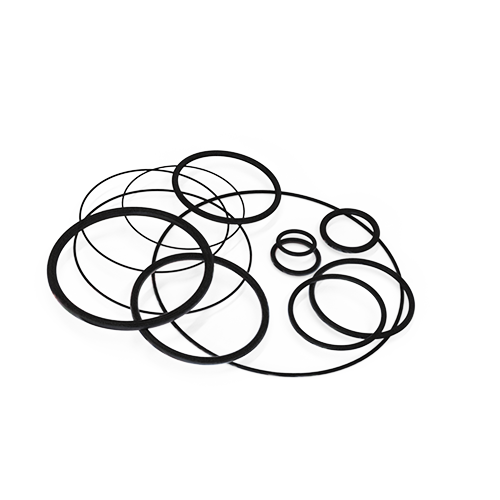
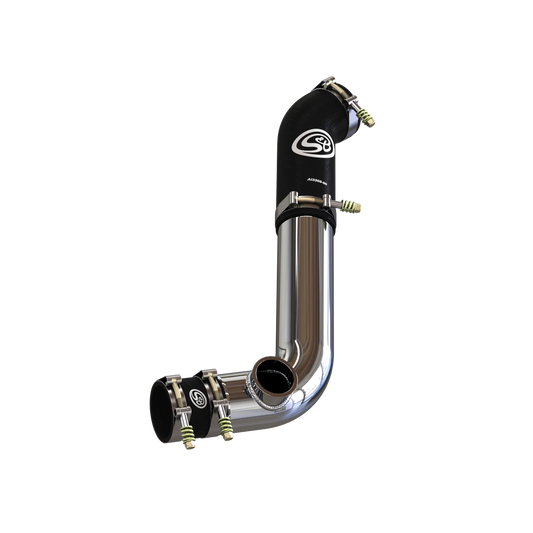
Automotive Sealing & Trim Components
TPEs are widely used in automotive applications due to their durability, flexibility, and resistance to heat, oils, and weathering.
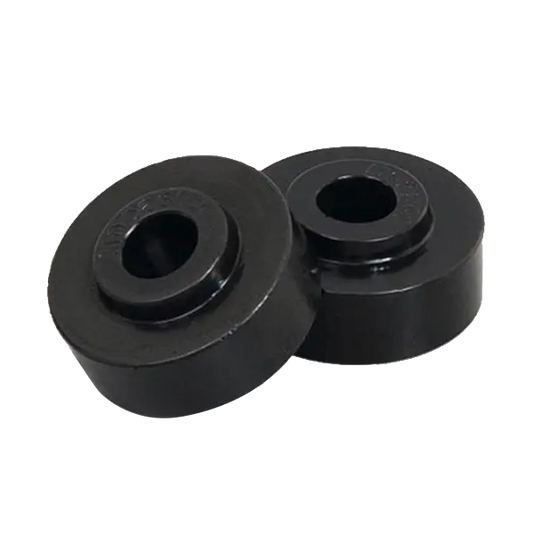
Industrial & OEM Rubber Components
TPEs offer design flexibility and consistent performance for high-volume industrial components.
Medical & Healthcare Components
Medical-grade TPEs are valued for their cleanliness, flexibility, and compatibility with strict regulatory requirements.
Consumer & Electronics Applications
TPEs provide excellent aesthetics, comfort, and durability for consumer-facing products.
Why Choose Thermoplastic Elastomers (TPE) from Rubber Mexico?
Need a custom Thermoplastic Elastomers solution?
Don't hesitate and reach us! Our customer service team will be happy to help you.
Learn about our other materials
-
Silicone Rubber
Precio habitual $0.00Precio habitualPrecio unitario por -
Ethylene Propylene Diene Terpolymer (EPDM)
Precio habitual $0.00Precio habitualPrecio unitario por -
Styrene Butadiene Rubber (SBR)
Precio habitual $0.00Precio habitualPrecio unitario por -
Neoprene/Chloroprene Rubber (CR)
Precio habitual $0.00Precio habitualPrecio unitario por -
Nitrile Butadiene Rubber (NBR)
Precio habitual $0.00Precio habitualPrecio unitario por -
Fluoroelastomer (FKM/Viton)
Precio habitual $0.00Precio habitualPrecio unitario por -
Thermoplastic Elastomers
Precio habitual $0.00Precio habitualPrecio unitario por -
Fluorosilicone (FVMQ)
Precio habitual $0.00Precio habitualPrecio unitario por -
Devulcanized Rubber Compounds
Precio habitual $0.00Precio habitualPrecio unitario por -
Natural Rubber (NR)
Precio habitual $0.00Precio habitualPrecio unitario por -
Acrylic Rubber (ACM)
Precio habitual $0.00Precio habitualPrecio unitario por -
Ethylene Acrylic Rubber (AEM)
Precio habitual $0.00Precio habitualPrecio unitario por -
Flexible PVC (Plasticized Polyvinyl Chloride)
Precio habitual $0.00Precio habitualPrecio unitario por -
Polyurethane (PU/TPU)
Precio habitual $0.00Precio habitualPrecio unitario por