Flexible PVC: Versatile Plasticized Thermoplastic Elastomer
Flexible PVC (Plasticized Polyvinyl Chloride) is a versatile thermoplastic elastomer created by adding plasticizers to rigid PVC, resulting in a soft, flexible material with excellent chemical resistance, durability, and cost-effectiveness. Widely used across automotive, medical, construction, and industrial applications, flexible PVC delivers reliable performance in sealing, tubing, and protective applications where elasticity and chemical compatibility are required.
Key Properties of Flexible PVC
-
Excellent Chemical Resistance: Superior resistance to acids, alkalis, oils, and many solvents
-
Adjustable Flexibility: Hardness and flexibility tailored by plasticizer content (30–100 Shore A)
-
Weather Resistance: Good UV and outdoor aging resistance with proper stabilizers
-
Temperature Range: Performs from -20°F to 160°F (-29°C to 71°C), specialty grades to 200°F
-
Flame Resistance: Self-extinguishing properties—inherently flame-retardant
-
Water Resistance: Excellent resistance to water, moisture, and humidity
-
Cost-Effectiveness: Lower cost than most rubber elastomers
-
Processability: Easy to extrude, mold, and fabricate with standard thermoplastic equipment
Common Applications & Uses
-
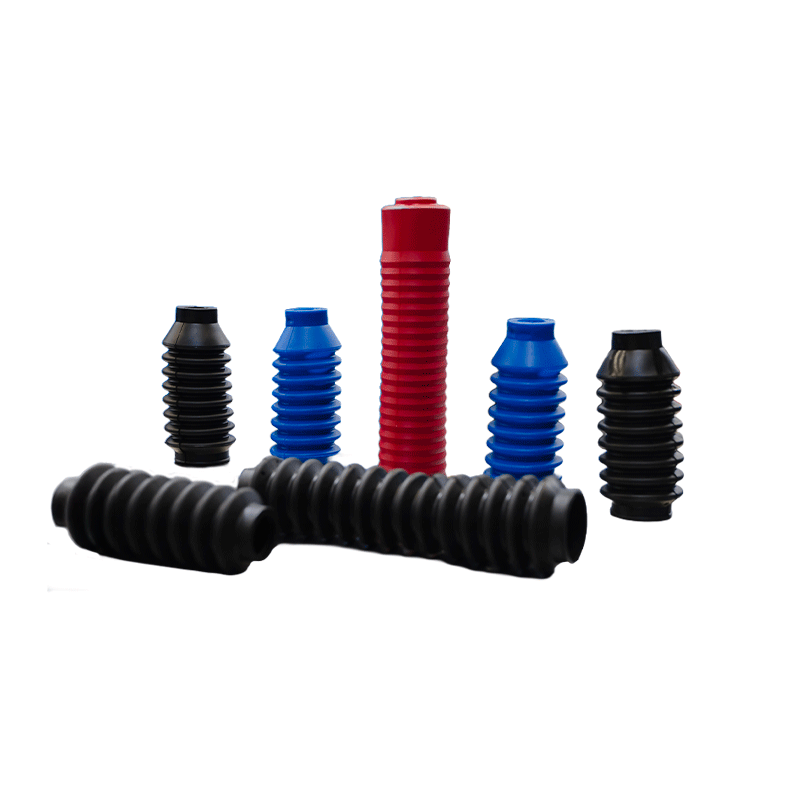
Automotive: Boot/bellow covers, wire insulation
-
Construction: Window profiles, door seals, roofing membranes, flooring
-
Packaging: Blister packs, clamshell packaging, shrink wrap, protective films
Advantages of Flexible PVC
- Excellent chemical resistance to acids, alkalis, and many industrial chemicals
- Highly customizable flexibility through plasticizer selection and loading
- Cost-effective alternative to rubber elastomers for many applications
- Self-extinguishing flame resistance without additional additives
- Good weather and UV resistance with proper stabilization
- Easy to process, extrude, and mold with thermoplastic equipment
- Excellent water and moisture resistance
- Wide range of colors and transparency options available
- Can be welded, heat-sealed, and bonded with solvents
- Good electrical insulation properties
Limitations & Disadvantages
-
Plasticizer Migration: Plasticizers can migrate out over time, causing stiffening and embrittlement
-
Limited Temperature Range: Lower maximum temperature than rubber elastomers (160°F standard)
-
Aromatic Hydrocarbon Sensitivity: Poor resistance to benzene, toluene, and aromatic solvents
-
Low-Temperature Brittleness: Becomes stiff and brittle below -20°F without specialty plasticizers
-
Environmental Concerns: Some plasticizers (phthalates) face regulatory restrictions and health concerns
-
Compression Set: Inferior to rubber elastomers for long-term sealing under compression
-
Odor: May have characteristic odor from plasticizers
-
Recycling Challenges: More difficult to recycle than rigid PVC due to plasticizer content
Flexible PVC vs. Other Materials
Flexible PVC vs. Rubber (EPDM, NBR, etc.): Flexible PVC offers better chemical resistance and lower cost, while rubber provides superior resilience, compression set resistance, and temperature range. Use flexible PVC for chemical-resistant tubing and seals; rubber for dynamic sealing and high-temperature applications.
Flexible PVC vs. TPE (Thermoplastic Elastomer): TPE offers better low-temperature flexibility, no plasticizer migration, and easier recycling, while flexible PVC provides superior chemical resistance and lower cost. Flexible PVC is preferred for chemical contact; TPE for consumer products and medical devices.
Flexible PVC vs. Silicone: Silicone offers wider temperature range (-65°F to 450°F), better biocompatibility, and no plasticizer migration, but flexible PVC is more cost-effective with better chemical resistance. Flexible PVC is the choice for cost-sensitive chemical applications; silicone for extreme temperatures and medical implants.
Flexible PVC vs. Polyurethane: Polyurethane provides superior abrasion resistance and mechanical strength, while flexible PVC offers better chemical resistance and lower cost. Flexible PVC is preferred for chemical tubing; polyurethane for high-wear mechanical applications.
Flexible PVC vs. Rigid PVC: Rigid PVC offers higher strength and temperature resistance without plasticizer migration concerns, while flexible PVC provides elasticity and flexibility. Rigid PVC is used for structural applications; flexible PVC for seals, tubing, and flexible components.
Plasticizer Types & Selection
-
Phthalate Plasticizers (DOP, DINP, DIDP): Most common, cost-effective, good performance—facing regulatory restrictions in some applications
-
Non-Phthalate Plasticizers (DOTP, DINCH): Regulatory-compliant alternatives for medical and food-contact applications
-
Polymeric Plasticizers: Low migration, good permanence, higher cost—ideal for long-term outdoor exposure
-
Bio-Based Plasticizers: Sustainable alternatives derived from renewable resources
Regulatory Compliance
Flexible PVC formulations can be tailored to meet various regulatory requirements including FDA compliance for food contact, USP Class VI for medical devices, RoHS and REACH compliance for electronics, and phthalate-free formulations for toys and childcare products.
Technical Specifications
-
Hardness Range: 30–100 Shore A (adjustable by plasticizer content)
-
Specific Gravity: 1.16–1.35 (varies by plasticizer loading)
-
Tensile Strength: 1,500–3,500 psi (varies by formulation)
-
Elongation at Break: 200–400% (varies by plasticizer content)
-
Temperature Range: -20°F to 160°F continuous (-29°C to 71°C), specialty grades to 200°F
-
Dielectric Strength: Good electrical insulation properties
-
Flame Rating: Self-extinguishing (UL 94 V-0 achievable)
Why Choose Flexible PVC from Rubber Mexico?
Our flexible PVC compounds are formulated with carefully selected plasticizers and stabilizers to deliver consistent chemical resistance, flexibility, and durability across automotive, medical, industrial, and construction applications. With in-house extrusion, molding, and custom compounding capabilities, we deliver precision-engineered flexible PVC components tailored to your regulatory requirements and performance specifications.
Need a custom flexible PVC solution? Contact us for material selection guidance, plasticizer optimization, regulatory compliance support, compound development, prototyping, and production support for your chemical-resistant and flexible component applications.