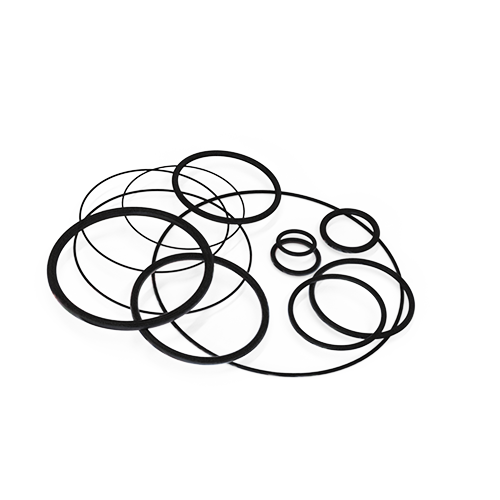
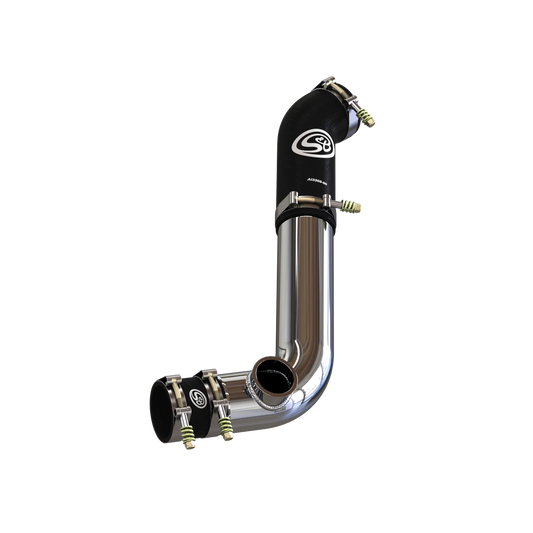
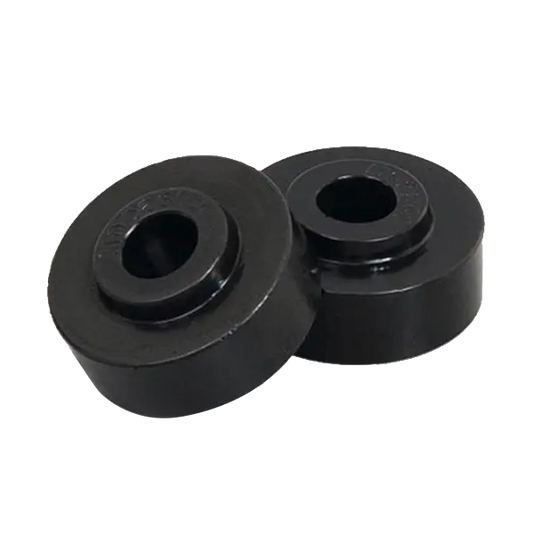
Neoprene, also known as Polychloroprene or Chloroprene Rubber (CR), is a balanced synthetic elastomer offering excellent resistance to weather, oils, chemicals, and physical wear. Originally developed as one of the first synthetic rubbers, neoprene has become the industry standard for applications requiring moderate resistance across multiple exposure conditions—making it the "jack-of-all-trades" in elastomer selection.
Key Properties of Neoprene Rubber
-

Balanced Chemical Resistance
Good resistance to oils, greases, mild acids, alkalis, and aliphatic hydrocarbons
-

Weather & Ozone Resistance
Excellent outdoor durability with superior UV and ozone resistance
-

Temperature Range
Performs from -40°F to 250°F (-40°C to 120°C)
-

Flame Resistance
Self-extinguishing properties—superior to most other elastomers


-

Physical Strength
High tensile strength, tear resistance, and abrasion resistance
-

Flexibility
Maintains good flexibility across wide temperature range
-

Water Resistance
Excellent resistance to water, steam, and refrigerants


Common Applications and uses of Neoprene Rubber
Automotive
Industrial
Marine & Diving
HVAC & Refrigeration

Electrical
Construction
Medical & Safety
Why Choose Neoprene from Rubber Mexico?
Need a custom Neoprene/Chloroprene Rubber (CR) solution?
Contact us for material selection guidance, prototyping, and production support.
Learn about our other materials
-
Silicone Rubber
Precio habitual $0.00Precio habitualPrecio unitario por -
Ethylene Propylene Diene Terpolymer (EPDM)
Precio habitual $0.00Precio habitualPrecio unitario por -
Styrene Butadiene Rubber (SBR)
Precio habitual $0.00Precio habitualPrecio unitario por -
Neoprene/Chloroprene Rubber (CR)
Precio habitual $0.00Precio habitualPrecio unitario por -
Nitrile Butadiene Rubber (NBR)
Precio habitual $0.00Precio habitualPrecio unitario por -
Fluoroelastomer (FKM/Viton)
Precio habitual $0.00Precio habitualPrecio unitario por -
Thermoplastic Elastomers
Precio habitual $0.00Precio habitualPrecio unitario por -
Fluorosilicone (FVMQ)
Precio habitual $0.00Precio habitualPrecio unitario por -
Devulcanized Rubber Compounds
Precio habitual $0.00Precio habitualPrecio unitario por -
Natural Rubber (NR)
Precio habitual $0.00Precio habitualPrecio unitario por -
Acrylic Rubber (ACM)
Precio habitual $0.00Precio habitualPrecio unitario por -
Ethylene Acrylic Rubber (AEM)
Precio habitual $0.00Precio habitualPrecio unitario por -
Flexible PVC (Plasticized Polyvinyl Chloride)
Precio habitual $0.00Precio habitualPrecio unitario por -
Polyurethane (PU/TPU)
Precio habitual $0.00Precio habitualPrecio unitario por